Is it really 2026 already? Yeesh, 2025 flew by for me. What about you? As you launch into 2026 with refreshed gusto and an extra few pounds from the Christmas feasting, thoughts may be leading towards what you’ll do differently in terms of marketing your business this year.
It’s always a good idea to review what you did in 2025 that went well and work out why, and then seek to replicate that in future campaigns. But if your marketing could have done better, it might be time to review what was hot in 2025 in terms of trends, and what you can learn from it and emulate in your future marketing campaigns.
Every year, marketers declare that THIS is the year of something: AI, video, communities, social commerce. In 2025, a few themes actually lived up to the noise, and they’re the ones worth paying attention to as you plan 2026.
Trend 1: AI moved from being just a buzzword to a basic tool
AI is no longer a novelty and has quietly become embedded in everyday marketing. It helps people draft and summarise data and enables small teams to do more with less. In 2026, expect AI‑assisted content to be the norm.
Now I can see you all rolling your eyes while you read this, and let me tell you, I’ve exhaled more than a few harumphs whilst scrolling through my LinkedIn newsfeed of late. But I urge you, no, I implore you, to stop using AI as a copy-and-paste job for your content.
AI can be a valuable tool for idea generation. But that should be where it stops. People who simply type their needs into ChatGPT and then copy and paste the results into their social media, emails, and websites are, quite frankly, lazy.
A robot wrote the content, and it does not sound like you. It doesn’t align with your brand’s tone of voice and stands out like a sore thumb! And don’t get me started with those phrases like:
"We deep-dived into..." 🤢
"Where culture isn't optional... It's the standard!" 🤢🤢
"Sometimes you've got to step off the dance floor of your business" 🤢🤢🤢
"Culture eats strategy for breakfast" 🤮🤮🤮🤮
Stop it, for the love of sweet baby cheeses, STOP IT!!!
Businesses that learn to brief and edit AI well will move faster without sounding robotic.
Trend 2: Personalisation got more real
Customers are increasingly expecting tailored experiences, not generic blasts. Even small businesses can start to segment emails, serving more relevant content, and personalising offers based on behaviour.
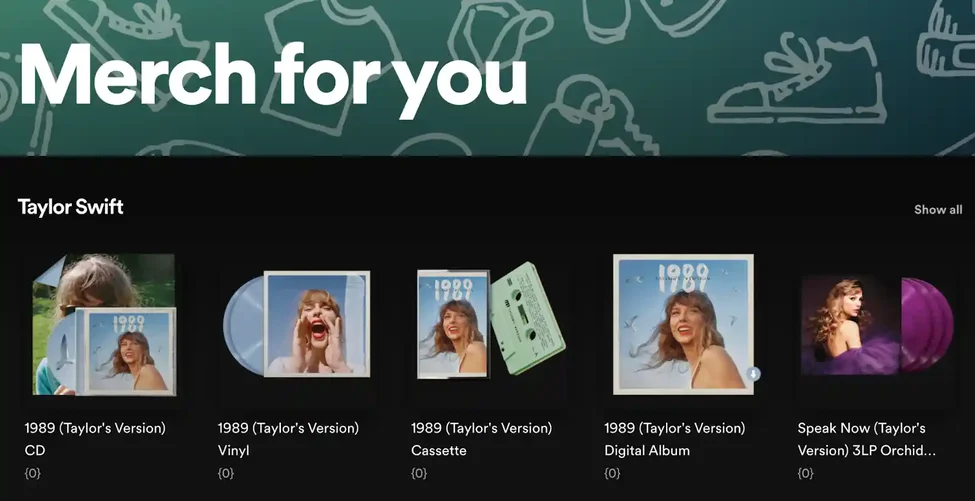
Image source: www.blog.hubspot.com/marketing/marketing-personalization-examples
For 2026, that means tidying your email subscriber data so you know who is who. A good first step is to create a couple of simple segments (e.g., existing clients vs. prospects or by service type or recent purchase groups). And once you’ve made your segments, you can adjust your messages rather than inventing 50 new campaigns.
Trend 3: Trust beats reach
With social feeds feeling noisier than ever, people leaned into brands they already trust. The trust is often earned through email, communities, referrals, and real‑world experiences. Businesses that focused on reviews, case studies, and consistent online behaviour outperformed those chasing every new trend.
For 2026, invest in collecting and sharing proof: testimonials, stories, screenshots (with permission). Show your face and your team. ‘People posts’ consistently outperform other posts on social media like LinkedIn, so give it a try. Oh, and keep to your promises, online and offline. Promised next-day delivery? Stick to it. Promised hassle-free returns? Honour them.
Trend 4: Social media matured (a bit)
Video has remained strong, so if you haven't tried it yet, why not create some head-and-shoulders, chat-to-camera shorts for your social channels?
Image source: www.blog.hubspot.com/marketing/marketing-personalization-examples
The obsession with going viral has eased off. I had several posts go viral in the latter part of 2025. And while that helped me expand my network with many new connection requests, it did nothing to generate new business. So don’t be overly focused on going viral; it takes up a lot of your time responding to your post’s comments (which you should), and the results are minimal. Brands that performed well often narrowed their focus to serve a specific audience rather than chasing everyone.
For 2026, it’s time to talk to your niche. Become the go‑to for your patch of the market. Focus on consistent, helpful posts over sporadic “bangers.” And, use video where it makes sense, but don’t force a format that doesn’t suit you.
Trend 5: Owner well-being came into the conversation
A quieter but more significant shift is that more small business owners openly questioned the “always on” marketing culture. There’s growing recognition that burnout kills creativity, consistency and, frankly, enjoyment.
For 2026, design marketing that aligns with your business, capacity, and timelines. Automate and delegate where you can. Accept that you can’t do everything, and you don’t need to.
Like what you’ve read?
Jo Buchanan, the author of this blog, is the Founder and Director of TwitTwooYou Limited, a business growth strategic consultancy centred on getting brands noticed. TwitTwooYou offers smart services to help businesses grow and achieve their aspirations and goals. Want to get your brand noticed? Get in touch for a free, no-obligation chat.